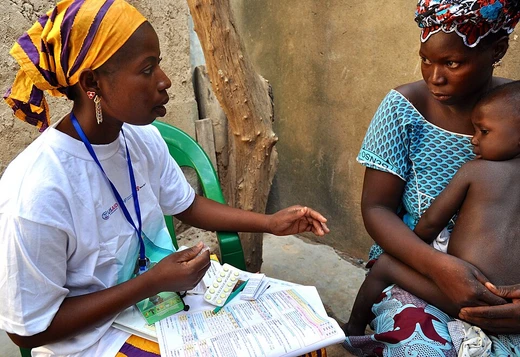
Stunted growth
Impaired growth in children, largely irreversible after age two.

Stunted growth, also known as stunting, refers to impaired growth and development in children, resulting in a lower than average height for the child's age. Stunting is prevalent in the Global South and has severe consequences, including worse cognitive development and poorer health in adulthood.
- global_prevalence_2024
- 23.2% of children under five
- global_prevalence_2012
- 26.3% of children under five
- projected_prevalence_2030
- 19.5% of children under five
- regional_concentration
- More than 85% of stunted children live in Asia and Africa
- attribution_to_diarrhea
- Around 25% of stunting cases attributed to five or more episodes of diarrhea before age 2
- attribution_to_fetal_growth_restriction
- 22% of stunting cases attributed to fetal growth restriction
Lore & Background
Stunted growth develops due to a range of direct and indirect causes, often in the context of poverty and food insecurity. Causes include poor fetal growth in the womb, unsafe sanitation, poor quality drinking water, childhood infections and diarrhea, and malnutrition in the mother or child. The three main causes in South Asia and most developing countries are poor feeding practices, poor maternal nutrition, and poor sanitation. Environmental enteropathy, a condition of chronic gut inflammation from fecal contamination, is proposed as an immediate causal factor.
Reader's Guide
Stunted growth has profound long-term consequences for individuals and societies. Affected children generally do not recover lost height, and once stunting occurs, its effects are often long-lasting, including delayed cognitive development, reduced intelligence quotient, and future risk of obesity and chronic diseases such as diabetes and hypertension. On a societal level, stunting can limit economic development and productivity, affecting a country's GDP by up to 3%. The intergenerational cycle of malnutrition means that women of shorter stature have a greater risk for complications during childbirth and are at risk of delivering a baby with low birth weight, perpetuating the condition.
Did You Know?
- Around 25% of stunting cases could be attributed to five or more episodes of diarrhea before two years of age.
- More than 85% of the world's stunted children live in Asia and Africa.
- Stunting can affect a country's GDP by up to 3%.
Frequently Asked Questions
What are the main consequences of stunted growth?
Children who are stunted face a higher risk of dying in childhood, experience poorer cognitive development, and carry worse health outcomes into adulthood. In short, the damage extends well beyond a single short stature measurement.
What are the leading causes of stunted growth?
About 25 percent of stunting cases can be traced to five or more episodes of diarrhea before a child turns two, while roughly 22 percent are linked to fetal growth restriction. Nutrition, infection, and prenatal factors all play major roles.
More in Public Health And Epidemiology 1-19
Spotted an error? Know more?
This is a living reference — every entry is fact-audited, and reader corrections feed straight into our audit queue. Suggest an edit · See this site's audit record